
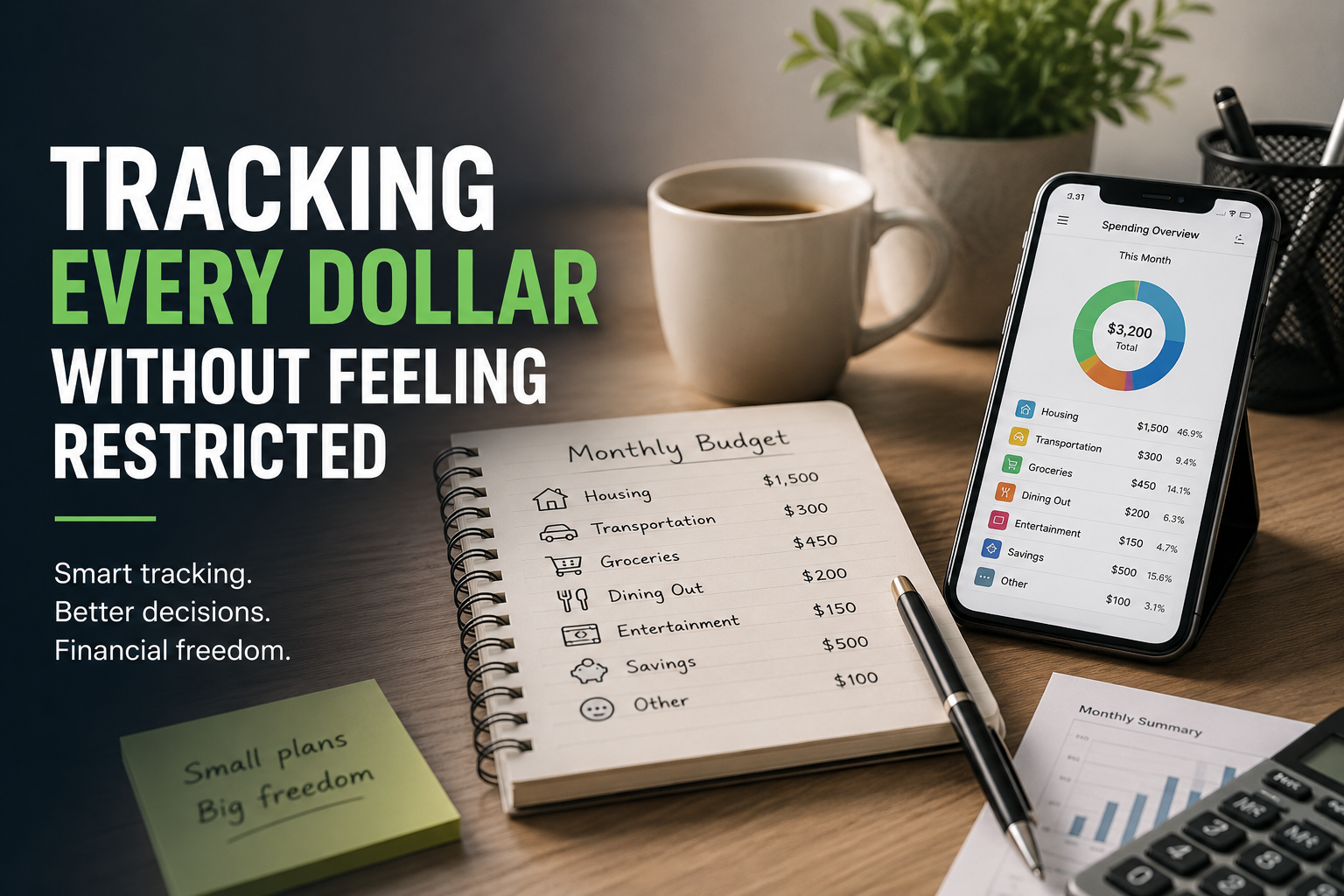
Tracking Every Dollar Without Feeling Restricted
This week’s Financial Article is brought to you by E-Tax.com and TaxExtension.com.
For many people, budgeting feels like punishment. The word itself often suggests spreadsheets, guilt, and saying “no” to everything enjoyable. That mindset is one of the biggest reasons budgets fail. The truth is that tracking your money should not feel restrictive. When done correctly, it becomes a tool for freedom, confidence, and reduced stress.
Financial pressure affects nearly every part of modern life. Rising costs, subscription overload, impulse spending, and inconsistent expenses make it easy to lose track of where money goes. Yet most people are not failing because they lack intelligence or discipline. They simply do not have visibility. Once you clearly understand your spending patterns, better decisions become easier and more natural.
The first step toward healthier financial habits is changing the purpose of tracking. The goal is not to shame yourself for spending money. The goal is awareness. Think of expense tracking the same way a fitness tracker monitors steps or calories. The data is not there to judge you. It exists to help you understand your habits and adjust where needed.
One of the most effective ways to begin is by tracking spending for a full month without changing anything. Instead of immediately cutting expenses, simply observe. Record every purchase, subscription, bill, and impulse buy. You may notice patterns you were previously unaware of. Maybe food delivery costs more than expected. Maybe small convenience purchases are adding up faster than major expenses. Maybe you are paying for services you rarely use.
This observation period is powerful because it removes the emotional pressure people often attach to budgeting. You are gathering information, not punishing yourself. Once the month ends, review your expenses by category. Housing, transportation, groceries, entertainment, subscriptions, dining out, and personal spending are common groups.
Many people are surprised to learn that financial stress often comes from small recurring leaks rather than one major expense. A few unused subscriptions, several convenience purchases each week, and frequent impulse spending can quietly consume hundreds of dollars every month.
However, financial improvement does not require eliminating everything enjoyable. Extreme budgeting rarely lasts because it creates resentment. Sustainable money management works best when it allows room for enjoyment and flexibility.
One useful approach is creating intentional spending categories. Instead of trying to avoid all “fun” purchases, give yourself a realistic monthly amount specifically for entertainment, hobbies, or personal treats. This removes guilt while maintaining control. If you enjoy coffee shop visits, dining out, books, gaming, or streaming services, include them in your plan instead of pretending they do not exist.
Another helpful strategy is automation. Automating savings, bill payments, and investment contributions reduces decision fatigue. When important financial priorities happen automatically, you spend less energy trying to constantly manage every dollar manually.
Technology can also make tracking far easier than it once was. Budgeting apps, banking dashboards, and expense categorization tools provide instant visibility into spending patterns. Some people prefer detailed spreadsheets, while others prefer simple apps that automatically organize transactions. The best system is the one you will use consistently.
It is also important to recognize emotional spending triggers. Many purchases are connected to stress, boredom, anxiety, or social pressure rather than actual need. Identifying these patterns helps reduce unnecessary spending without feeling deprived. For example, if late-night online shopping becomes a stress response, replacing that habit with another activity can reduce spending naturally.
Another common mistake is treating budgeting as a short-term emergency measure instead of a long-term lifestyle system. Sustainable financial habits are built gradually. Small improvements repeated consistently create better results than aggressive restrictions that collapse after a few weeks.
Financial flexibility also matters more than perfection. Unexpected expenses will happen. Cars need repairs. Medical bills appear. Emergencies occur. A healthy financial plan accounts for real life rather than assuming every month will go exactly as expected.
This is where emergency savings become essential. Even building a small financial cushion can dramatically reduce anxiety. Knowing you have money available for unexpected situations creates emotional stability that strict budgeting alone cannot provide.
Tracking expenses also improves decision-making around larger goals. Whether you want to pay off debt, build savings, invest, travel, or start a business, understanding your current financial habits gives you a clearer path forward. Goals become more achievable when your money has direction.
Another powerful mindset shift is focusing on value rather than simply cost. Spending money is not automatically bad. The real question is whether your spending aligns with your priorities. A purchase that genuinely improves your quality of life may be far more worthwhile than dozens of smaller purchases made impulsively.
For example, someone may happily spend money on books, fitness, outdoor hobbies, education, or family experiences because those purchases align with their personal values. At the same time, they may reduce spending in areas that provide little lasting satisfaction.
Over time, financial tracking becomes less about restriction and more about intentional living. You begin directing your money toward what matters most instead of wondering where it disappeared.
Consistency matters more than complexity. You do not need advanced financial knowledge to improve your finances. Simple habits practiced regularly are often more effective than complicated systems abandoned after a few weeks.
A practical starting point could look like this:
- Track every expense for 30 days.
- Identify your top three unnecessary spending categories.
- Create realistic spending limits instead of extreme cuts.
- Automate savings and bills.
- Build a small emergency fund.
- Review spending weekly instead of obsessing daily.
These small actions create momentum. As awareness improves, confidence grows. Financial management becomes less stressful because uncertainty decreases.
Ultimately, tracking every dollar is not about becoming obsessed with money. It is about creating clarity. When you understand where your money goes, you gain more control over your future, reduce financial anxiety, and make decisions with greater confidence.
The goal is not restriction. The goal is freedom.
Take Control of Your Taxes and Your Finances
Whether you're filing on time or need extra time to prepare, E-Tax.com and TaxExtension.com make the process simple, fast, and stress-free.
✓ File your federal tax return online
✓ Request a tax extension in minutes
✓ Avoid costly penalties and missed deadlines
✓ Access easy-to-use tools and expert resources
Don't wait until tax season becomes tax stress. Get the help you need today and stay focused on your financial goals.
Visit E-Tax.com and TaxExtension.com. to get started.