
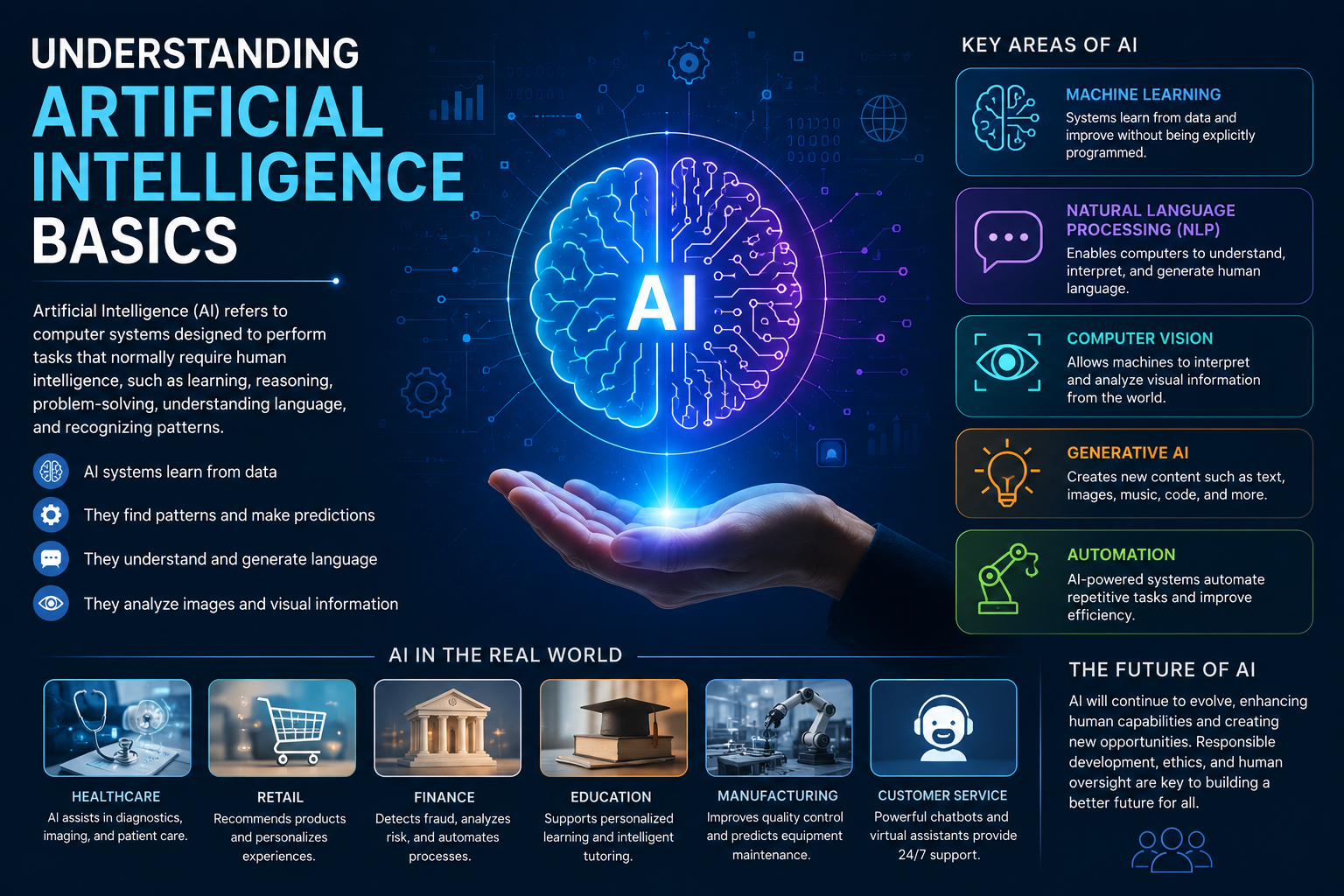
Artificial Intelligence, or AI, has become a regular guest at the decision-making table from healthcare diagnostics to credit scoring, and from hiring recommendations to predictive policing. But as smart as these systems are, one big question keeps popping up: How do we know why AI makes the decisions it does? That’s where Explainable AI (XAI) steps into the spotlight.
Imagine trusting a system that can't explain itself. It's like getting financial advice from a robot that just shrugs when you ask, "Why?" In an age of intelligent machines, explainability isn’t just a nice-to-have it’s essential.
What Is Explainable AI?
Explainable AI refers to a set of tools, methods, and frameworks that make the behavior and decisions of AI systems understandable to humans. It’s about turning the “black box” of AI into something a little more like a glass box transparent, traceable, and trustworthy.
Traditional AI, especially deep learning models, can be wildly complex. These systems process data in ways that even their creators can't fully unpack. While the outputs are often accurate, the logic behind them can be murky at best. XAI works to shine a light on that hidden reasoning.
Why Is Explainable AI So Important?
Let’s break down the key reasons why explainability isn’t just a technical preference but a societal necessity.
1. Trust and Transparency
If an AI system recommends denying someone a loan or suggests a critical medical treatment, the natural human response is, “Why?” When users understand how and why a decision was made, they’re more likely to trust the technology. Trust, in turn, increases adoption and usability.
2. Accountability
AI isn’t magic it’s made by people. When decisions go wrong, someone needs to be accountable. Explainable AI allows organizations to trace decisions back to data inputs, model logic, or even human oversight errors. This level of traceability is vital for legal compliance, especially in sectors like finance and healthcare.
3. Bias Detection and Mitigation
Bias in AI is a real concern. If your model consistently rates certain job applicants lower because of gender or race, explainability tools can flag these trends. By exposing how decisions are made, XAI helps teams recognize and fix hidden biases.
4. Regulatory Compliance
Laws like the EU’s General Data Protection Regulation (GDPR) include a “right to explanation,” meaning people can ask for an explanation of decisions made by automated systems. More governments are following suit. Using XAI helps businesses stay compliant and avoid costly legal consequences.
5. Better Human-AI Collaboration
When we understand AI's logic, we can work with it more effectively. Doctors can make better use of diagnostic tools. Lawyers can interpret document review systems more accurately. Even marketers can refine strategies with greater precision.
Examples of Explainable AI in Action
Let’s take a real-world detour to see XAI in practice:
-
Healthcare: Suppose an AI system suggests a cancer diagnosis. Explainability tools can highlight which symptoms, test results, or scans influenced that outcome helping doctors validate or question the recommendation.
-
Finance: A bank uses AI to assess loan eligibility. With XAI, the system can show that a decision was based on income consistency, not zip code ensuring decisions aren’t biased or discriminatory.
-
Recruiting Software: XAI tools can show whether an applicant was rated highly due to skills, experience, or education level rather than arbitrary or biased factors.
Challenges of Explainable AI
Not everything is sunshine and clarity. XAI comes with its own set of hurdles:
-
Trade-Offs with Accuracy: Sometimes, simpler models are easier to explain but less accurate. Deep learning models often perform better but are harder to interpret.
-
Complexity of Human Understanding: What’s explainable to one person may be gibberish to another. Tailoring explanations for different users tech teams, regulators, or customers is no small task.
-
Tool Limitations: The field is evolving fast, but current XAI tools still struggle with providing intuitive, meaningful insights, especially in very complex systems.
Still, these challenges are far from insurmountable. In fact, many of the brightest minds in tech are laser-focused on making explainability a standard, not an exception.
The Future of Explainable AI
As AI becomes more integrated into everything from our homes to our courtrooms, the need for transparency will only grow. Expect to see XAI become a mandatory feature, not an optional one. Companies that invest in it now will be ahead of the curve both ethically and competitively.
We’ll likely see hybrid models emerge part AI, part human, working together more seamlessly because the machine can actually “explain” its logic. This partnership could redefine what intelligent collaboration looks like.
In Closing
AI might be the future, but explainability is the key to making that future safe, fair, and useful. In the end, it’s not just about building smarter machines it’s about building systems we can understand, trust, and improve.
Whether you're a data scientist, a policy maker, or just someone trying to understand how your phone unlocks with your face, Explainable AI touches your life more than you think. And in a world that’s increasingly run by algorithms, the ability to say “Here’s why” is not just powerful it’s essential.