
Imagine a future where resumes are scanned in milliseconds, interviews are pre-screened by bots, and your ideal candidate is plucked from a global talent pool with the precision of a surgeon. That future is not years away it’s happening now.
Artificial Intelligence (AI) is no longer confined to the realms of sci-fi and Silicon Valley labs. It has quietly and rapidly slipped into the heart of Human Resources (HR) and hiring processes across industries. From talent acquisition to employee engagement, AI is reshaping how companies find, evaluate, and manage people.
But with innovation comes transformation, and with transformation comes questions: How does AI really work in HR? Is it making hiring more efficient or just more complicated? Is it a blessing, a threat, or a bit of both?
Let’s break it all down and explore how AI is changing the game and what that means for job seekers, recruiters, and HR professionals alike.
What Exactly Is AI in the HR World?
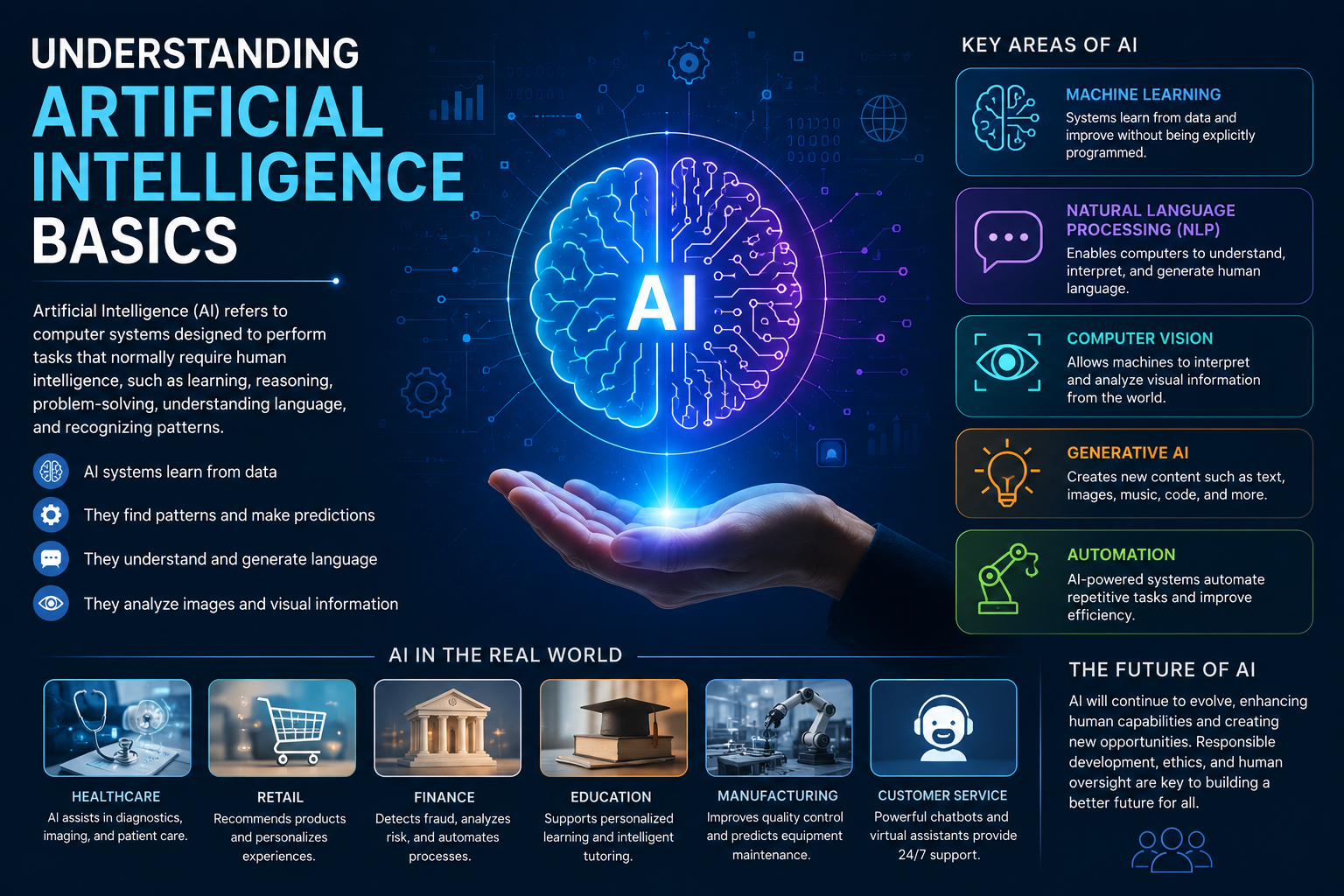
Artificial Intelligence, in simple terms, refers to machines that can mimic human intelligence. Think decision-making, language understanding, learning from data, and even simulating empathy. In HR, AI uses data-driven algorithms to analyze, predict, and perform tasks that traditionally required a human touch.
Here’s how it shows up in the modern hiring process:
- Resume screening tools that rank candidates
- Chatbots that answer applicant questions
- Predictive analytics that forecast employee turnover
- AI-powered video interviews that evaluate tone, language, and body language
- Onboarding tools that personalize employee experiences
The ultimate goal? To improve accuracy, speed, and fairness while freeing up humans to focus on higher-value tasks like relationship-building and culture curation.
The Benefits of AI in Hiring and HR
When used effectively, AI is like a superpowered HR assistant who never sleeps, never complains, and can analyze a thousand resumes before lunch. But that’s just the beginning.
1. Speed and Efficiency
Recruiters often swim in a sea of applications. AI can sort through resumes in seconds, flagging top candidates based on skills, experience, and job fit. This automation reduces time-to-hire and lifts the administrative burden off HR teams.
Imagine replacing hours of manual screening with a few clicks. That’s the AI advantage.
2. Data-Driven Decision-Making
With access to massive datasets, AI can spot patterns and make recommendations. It doesn’t just tell you who to hire—it can show why that person is likely to succeed based on historical data, industry trends, and behavioral analysis.
No more gut instincts. Now, hiring decisions can be backed by evidence.
3. Bias Reduction (When Done Right)
Humans are prone to unconscious bias. AI, when properly trained, can help reduce this by focusing strictly on merit-based data points. While not perfect, it can eliminate factors like name, gender, and ethnicity from the screening process at least at the early stages.
Of course, the key phrase here is “when done right,” but more on that shortly.
4. Enhanced Candidate Experience
Chatbots and AI assistants provide instant responses, keeping candidates informed throughout the process. Personalized assessments, real-time feedback, and clear communication make applicants feel valued even before they land the job.
This matters. A positive candidate experience can enhance your brand and even turn rejected candidates into future hires or loyal customers.
5. Predictive Analytics
AI can forecast employee turnover, pinpoint engagement issues, and suggest interventions before problems arise. It’s like giving HR teams a crystal ball one backed by hard data and machine learning.
This predictive edge helps companies stay ahead of burnout, disengagement, or flight risk employees.
Real-World AI Applications in HR Today
Let’s look at how some companies are already leveraging AI in meaningful ways:
1. Unilever's AI-Powered Interviews
Unilever uses AI to screen entry-level candidates via games and recorded video interviews. Algorithms assess facial expressions, tone of voice, and responses. Human recruiters only step in once AI has narrowed the pool cutting hiring time dramatically.
2. IBM Watson Recruitment
IBM’s Watson can analyze thousands of resumes, compare them to high-performing employee profiles, and suggest best-fit candidates. It also predicts whether someone might accept a job offer, based on social signals and employment history.
3. HireVue’s Video Analysis
HireVue evaluates candidates not just by what they say, but how they say it. AI scans micro-expressions, pauses, and tone to judge confidence, honesty, and communication skills.
The Challenges and Concerns
For all its advantages, AI in HR is not without complications. With great power comes great responsibility and a fair share of controversy.
1. Algorithmic Bias
While AI can reduce human bias, it can also replicate it if the training data is flawed. If past hiring practices favored a certain demographic, AI may learn to do the same. In 2018, Amazon scrapped an AI hiring tool that was biased against women because it was trained on resumes from a predominantly male engineering workforce.
Lesson: AI is only as fair as the data it learns from.
2. Lack of Transparency
Many AI tools operate like black boxes. HR professionals might not fully understand how a tool made a decision making it difficult to explain to candidates why they were rejected.
This lack of transparency can breed distrust and lead to compliance headaches, especially under laws like the GDPR or EEOC guidelines.
3. Over-Reliance on Technology
While automation is helpful, over-relying on AI risks losing the human touch. Empathy, cultural fit, and creativity aren’t always measurable and shouldn’t be ignored.
A candidate may not shine on paper or video but still be the perfect addition to your team. AI should be a co-pilot, not the pilot.
4. Privacy and Data Security
Collecting and analyzing personal data raises big questions about consent, security, and ethical usage. Where does all that candidate data go? Who has access? And how long is it kept?
HR teams need strict policies and clear communication to avoid legal pitfalls and protect candidate trust.
Best Practices for Using AI in HR
To make the most of AI without stepping on ethical landmines companies should follow a few guiding principles.
A. Audit and Monitor Algorithms
Regularly test AI tools for bias, accuracy, and fairness. Involve diverse teams in these audits, and don’t hesitate to tweak or retire systems that show skewed results.
B. Prioritize Transparency
Choose tools that offer clear explanations of how decisions are made. Give candidates the option to opt-out of AI evaluations or receive human feedback.
C. Blend Tech with Human Touch
AI can screen and analyze, but humans should always have the final say especially in the later stages of hiring. Keep empathy and intuition at the center of the process.
D. Invest in Training
HR teams need to understand how AI tools work, not just how to use them. Training builds trust, improves implementation, and reduces misuse.
E. Protect Data Like Gold
Comply with privacy laws. Encrypt personal data. Be transparent about data collection and storage. These aren’t just legal must-haves they’re trust builders.
What the Future Holds
As AI continues to evolve, we can expect even deeper integration into HR and hiring.
- Emotion AI could read candidate sentiment in real-time.
- AI career coaching might personalize employee development plans.
- Workforce planning algorithms will predict skill gaps years in advance.
- Virtual reality interviews powered by AI could simulate real job scenarios.
But perhaps the most exciting prospect is this: AI may free humans from the mundane, allowing HR to focus more on people than paperwork.
And isn't that the point?
People-Powered AI, Not AI-Powered People
AI is transforming human resources from the ground up. It’s faster, smarter, and often more objective. But it’s also imperfect, and when misused, it can harm more than help.
The best HR teams of the future will use AI not to replace human judgment, but to enhance it. They'll harness the power of technology to focus on what matters most building relationships, fostering culture, and empowering employees.
In the end, AI may write the code, but it’s humans who must write the story.