
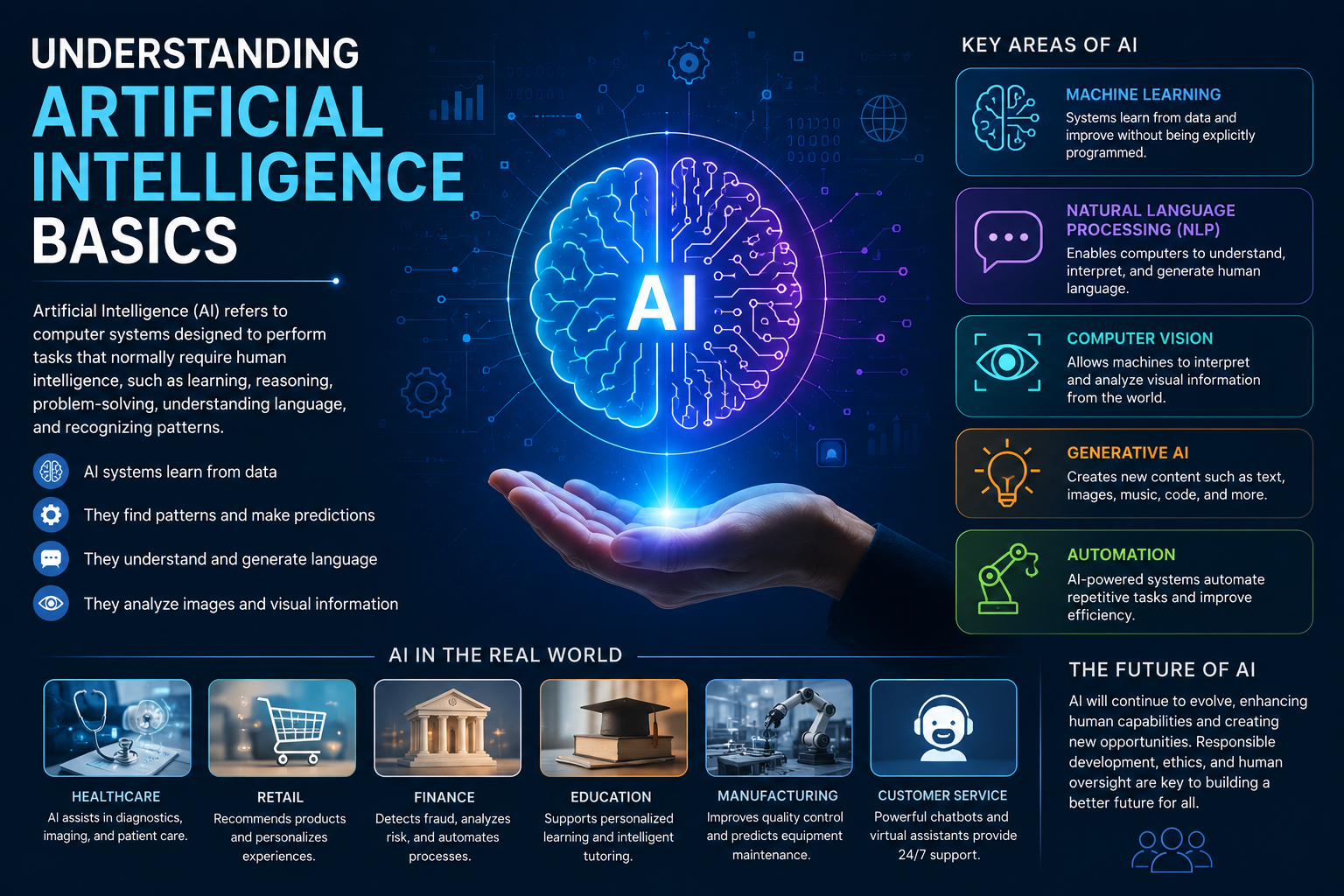
Artificial Intelligence (AI) is no longer a futuristic concept confined to the realm of sci-fi movies. It has become an integral part of our daily lives, often in ways we don’t even notice. From the smartphones in our pockets to the digital assistants in our homes, AI is quietly revolutionizing the way we live, work, and interact. As AI technology continues to evolve at a rapid pace, it’s transforming a variety of tasks we perform every day, making them faster, more efficient, and even more personalized.
In this article, we will explore how AI is reshaping everyday tasks across various aspects of life, from communication and shopping to driving, health care, and beyond.
1. AI in Communication
One of the most obvious and immediate impacts of AI is seen in communication. The advent of chatbots and virtual assistants has transformed how we interact with businesses, services, and even each other. AI-powered tools like Siri, Alexa, and Google Assistant allow us to send messages, set reminders, check the weather, and control our smart devices with just a voice command. These virtual assistants have become an essential part of many people's lives, serving as personal organizers and information hubs.
In addition to personal assistants, AI is also improving the way we communicate through text and email. AI-powered tools like Grammarly and Google’s Smart Compose use natural language processing (NLP) algorithms to help users write more clearly and correctly. These tools can automatically suggest corrections for spelling, grammar, and sentence structure, improving productivity while also preventing misunderstandings. AI can even analyze the tone of an email and offer suggestions to make it sound more friendly or formal, depending on the context.
Moreover, AI is transforming the way businesses interact with customers. AI-driven chatbots are now commonplace on websites and mobile apps, providing instant customer service responses. These bots can handle a wide range of tasks, from answering frequently asked questions to processing transactions and troubleshooting issues. With AI, companies can offer 24/7 support without the need for human agents to be present, improving efficiency and customer satisfaction.
2. AI in Shopping and Consumer Behavior
AI is also transforming the way we shop, both online and in physical stores. Online retailers like Amazon and eBay have long used AI algorithms to analyze consumer behavior, predicting what customers are likely to buy based on their past purchases, browsing history, and preferences. These predictive algorithms suggest products to consumers, often leading to more personalized shopping experiences and increased sales for retailers.
One of the most notable ways AI is changing the shopping experience is through recommendation systems. When you browse a website, AI algorithms track your interactions, learning your preferences and suggesting items based on your behavior. These systems are not just limited to products; they extend to music, movies, and even news articles, making personalized recommendations that enhance the user experience.
AI is also making strides in physical retail environments. In-store technologies like Amazon Go are revolutionizing brick-and-mortar shopping by eliminating checkout lines altogether. These stores use AI, computer vision, and sensor technologies to track the items you pick up and charge your account automatically when you leave the store. This "just walk out" shopping experience eliminates the need for cashiers and simplifies the shopping process, saving both time and effort.
3. AI in Transportation and Travel
The impact of AI on transportation is perhaps one of the most talked-about topics in recent years. While fully autonomous vehicles are still in development, AI is already transforming everyday travel in a variety of ways. For instance, AI algorithms are being used in ride-sharing services like Uber and Lyft to match passengers with nearby drivers in real time. These systems continuously analyze traffic patterns, weather conditions, and other data to determine the best route, making rides faster and more efficient.
AI is also making a significant impact on public transportation. In some cities, AI systems are being used to predict bus and train arrival times, allowing passengers to plan their journeys more effectively. AI-powered traffic management systems can also optimize traffic flow by adjusting signal timings based on real-time data, reducing congestion and improving road safety.
In the long term, autonomous vehicles powered by AI have the potential to radically change the transportation landscape. Self-driving cars could reduce the need for human drivers, making travel safer and more efficient. AI-powered cars would communicate with each other, creating a fully integrated system that reduces traffic, improves road safety, and decreases fuel consumption. These vehicles could even be tailored to individual passengers, offering a personalized travel experience with smart climate control, entertainment options, and more.
4. AI in Health Care
Health care is one of the most promising fields for AI development, with the potential to revolutionize everything from diagnosis and treatment to patient care and drug discovery. AI algorithms can analyze vast amounts of medical data, helping doctors make more accurate diagnoses and treatment plans. For instance, AI systems are being used to analyze medical imaging, detecting conditions like cancer, heart disease, and neurological disorders more accurately than human doctors alone.
AI is also playing a role in personalized medicine. By analyzing a patient’s genetic information, lifestyle, and medical history, AI can help create customized treatment plans that are more likely to be effective. In some cases, AI is even being used to predict health risks before they occur, allowing for preventative care that could save lives.
Beyond diagnosis and treatment, AI is also improving the patient experience. Virtual health assistants, like those powered by IBM Watson Health, provide patients with real-time information and guidance. These AI systems can answer medical questions, remind patients to take medications, and even provide mental health support. AI-powered chatbots are being used to provide 24/7 health care support, allowing people to get the answers they need without having to visit a doctor’s office or emergency room.
5. AI in the Home: Smart Devices and Automation
One of the most visible ways AI is transforming everyday tasks is through the proliferation of smart devices and home automation. Smart thermostats, lights, and security cameras powered by AI have made it easier than ever to control and monitor your home. These devices can learn your habits and preferences, adjusting the temperature, lighting, and even security settings to suit your needs.
For example, smart thermostats like Nest use AI to learn your daily routines and adjust the temperature, accordingly, ensuring comfort while saving energy. Similarly, AI-powered security cameras and doorbell systems like Ring can identify familiar faces, alert you to unusual activity, and even allow you to communicate with visitors remotely through your smartphone.
Home assistants, such as Google Home and Amazon Echo, also play a significant role in making daily tasks more efficient. These devices can control smart home devices, set alarms and reminders, provide news and weather updates, play music, and answer questions using natural language processing. With the increasing popularity of voice commands, AI is becoming the cornerstone of home automation, simplifying tasks and making it easier to stay connected.
6. AI in Education and Learning
AI is gradually making its way into the education sector, with the potential to change the way we learn and teach. One of the most significant advancements is in personalized learning. AI-powered educational platforms can adapt to individual students' needs, providing customized lessons and feedback based on their performance. This technology allows students to learn at their own pace, ensuring that they grasp key concepts before moving on to more complex material.
AI is also being used to automate administrative tasks in education, such as grading assignments and managing student records. This reduces the burden on teachers and administrators, allowing them to focus more on teaching and student interaction. AI tools can even provide students with real-time feedback, helping them improve their skills more efficiently.
Moreover, AI is enabling new learning experiences through virtual classrooms, gamification, and simulations. Instructors can use AI-powered platforms to create immersive, interactive lessons that engage students in new and innovative ways. Whether it’s through virtual labs, language learning apps, or personalized study guides, AI is making education more accessible, effective, and engaging.
7. AI in Financial Services
AI is also transforming the way we manage our finances. Personal finance apps like Mint and YNAB (You Need a Budget) use AI to track spending habits, create budgets, and offer insights into saving and investing. These apps analyze transaction data and provide real-time suggestions to help users make smarter financial decisions.
AI is also playing a crucial role in the world of investment. Robo-advisors, powered by AI, are providing affordable, automated investment advice to individuals who may not have access to traditional financial advisors. These platforms use algorithms to analyze market data and help users create personalized investment portfolios based on their financial goals and risk tolerance.
Moreover, AI is improving fraud detection and cybersecurity in financial services. Machine learning algorithms are being used to monitor transactions in real time, flagging suspicious activities and preventing potential fraud. AI is also enhancing security through biometric authentication, such as facial recognition or fingerprint scanning, making online banking safer and more secure.
8. AI in the Workplace
Finally, AI is reshaping the workplace, streamlining repetitive tasks and enabling employees to focus on more creative and strategic work. Many companies are using AI-powered tools for automating administrative tasks such as scheduling, data entry, and document management. AI chatbots can handle customer inquiries, while AI software can assist with project management, tracking deadlines, and prioritizing tasks.
AI is also improving collaboration in the workplace. Virtual assistants can help schedule meetings, arrange video conferences, and share documents, making remote work more efficient. AI-powered translation tools break down language barriers, allowing teams from different parts of the world to work together seamlessly.
Artificial Intelligence is rapidly transforming everyday tasks across every aspect of our lives. From communication and shopping to health care and education, AI is making processes more efficient, personalized, and accessible. As AI technology continues to evolve, it will likely bring even more innovations that will further reshape the way we live and work. While the full potential of AI is still unfolding, it is clear that this technology is already making a profound impact on our daily lives, ushering in a new era of convenience, productivity, and possibility.