MTDLN.com Five useful reads. One weekly edition. Subscribe Free

Weekly Newsletter

Your Weekly Guide to Thriving in the Digital Age

Vol. 2 Issue No. 38 September 18, 2026

MASTER WHAT'S NEXT.

Money moves. Marketing shifts. Technology accelerates. Health matters. Knowledge compounds.

MTDLN cuts through the noise with five smart, practical reads every week, built to help you make better decisions, spot opportunities, and stay ahead of what's changing.

Finance

Money · Planning · Small Business · Financial Know-How

Understanding Good Debt vs Bad Debt

Debt is not automatically good or bad. The smarter question is whether the borrowing is affordable, reasonably priced, tied to a useful purpose, and supported by a realistic repayment plan.
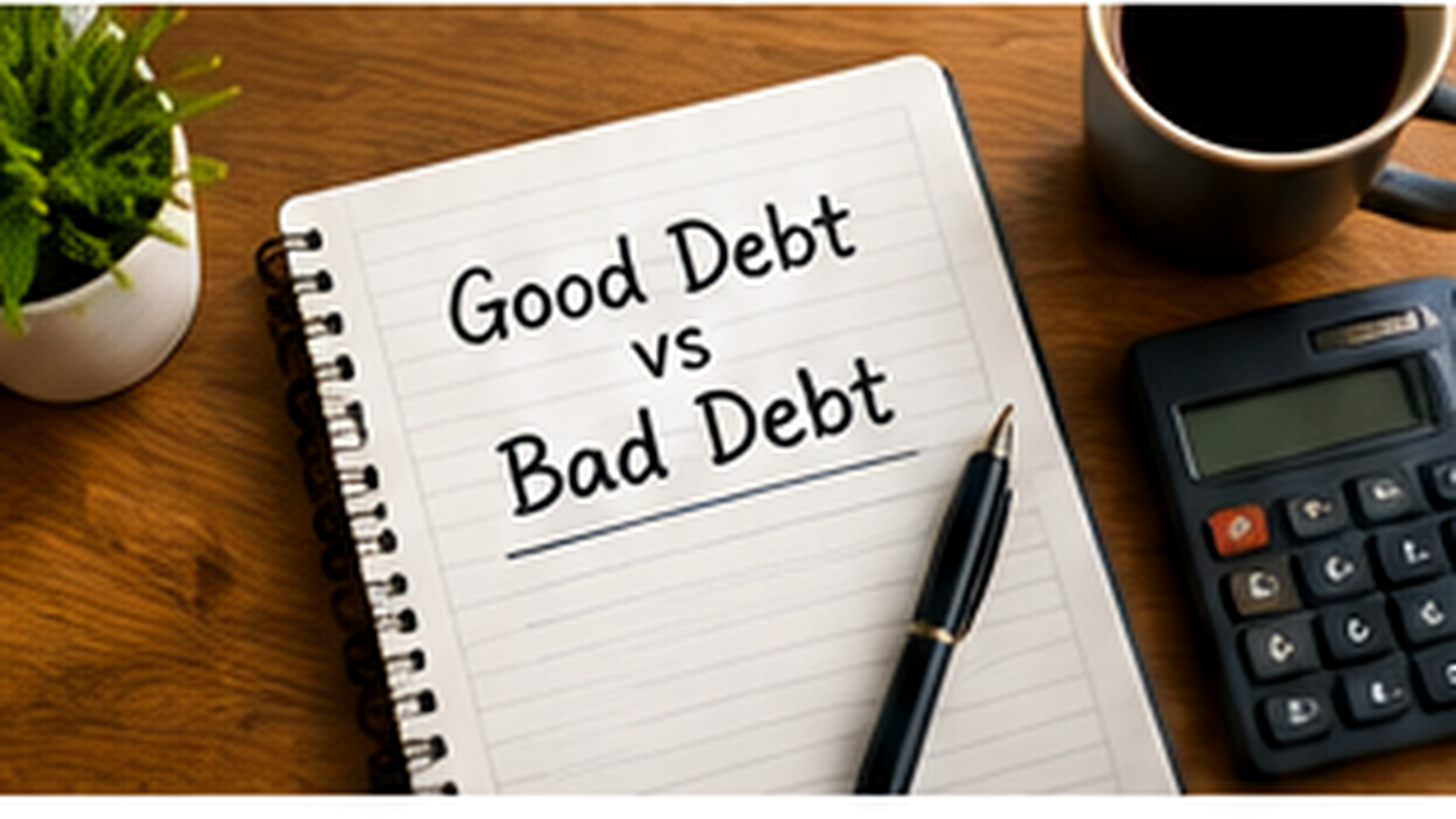
Notebook comparing good debt and bad debt beside a calculator, coffee, and household financial planning materials.

Debt is often described as either good or bad, but the label alone can hide the most important part of the decision. A mortgage, student loan, auto loan, or business loan may support a useful long-term goal, yet it can still become a problem if the payment is too large, the interest rate is high, or the borrower has no room for emergencies.

A more useful way to evaluate debt is to look at four things together: what the borrowed money is being used for, what the loan will cost, whether the monthly payment fits the real household budget, and whether there is a clear repayment plan. Borrowing that supports an asset, education, transportation, or productive business need can be helpful when those four pieces are in place.

High-interest revolving debt deserves extra caution because interest can accumulate quickly when balances are carried. The Consumer Financial Protection Bureau notes that many card issuers calculate interest daily, which means repayment speed matters.

The same category of debt can be sensible for one person and risky for another. The goal is not to memorize a list of good and bad loans. It is to understand the numbers before signing and make sure the debt improves your options rather than shrinking them.

Before borrowing, compare at least two scenarios: the payment you expect and the payment your budget could still handle if income falls or another major expense appears. That simple stress test can expose risk that a lender-approved payment does not show. Approval tells you what a lender is willing to offer. It does not tell you what will feel comfortable in your household month after month.

Read the Full Article →

Digital Marketing

SEO · Content · Email · Social · Audience Growth

Building a Content Strategy That Lasts

A durable content strategy is built around audience needs, useful expertise, repeatable publishing systems, distribution, measurement, and regular updating rather than a constant chase for short-lived trends.

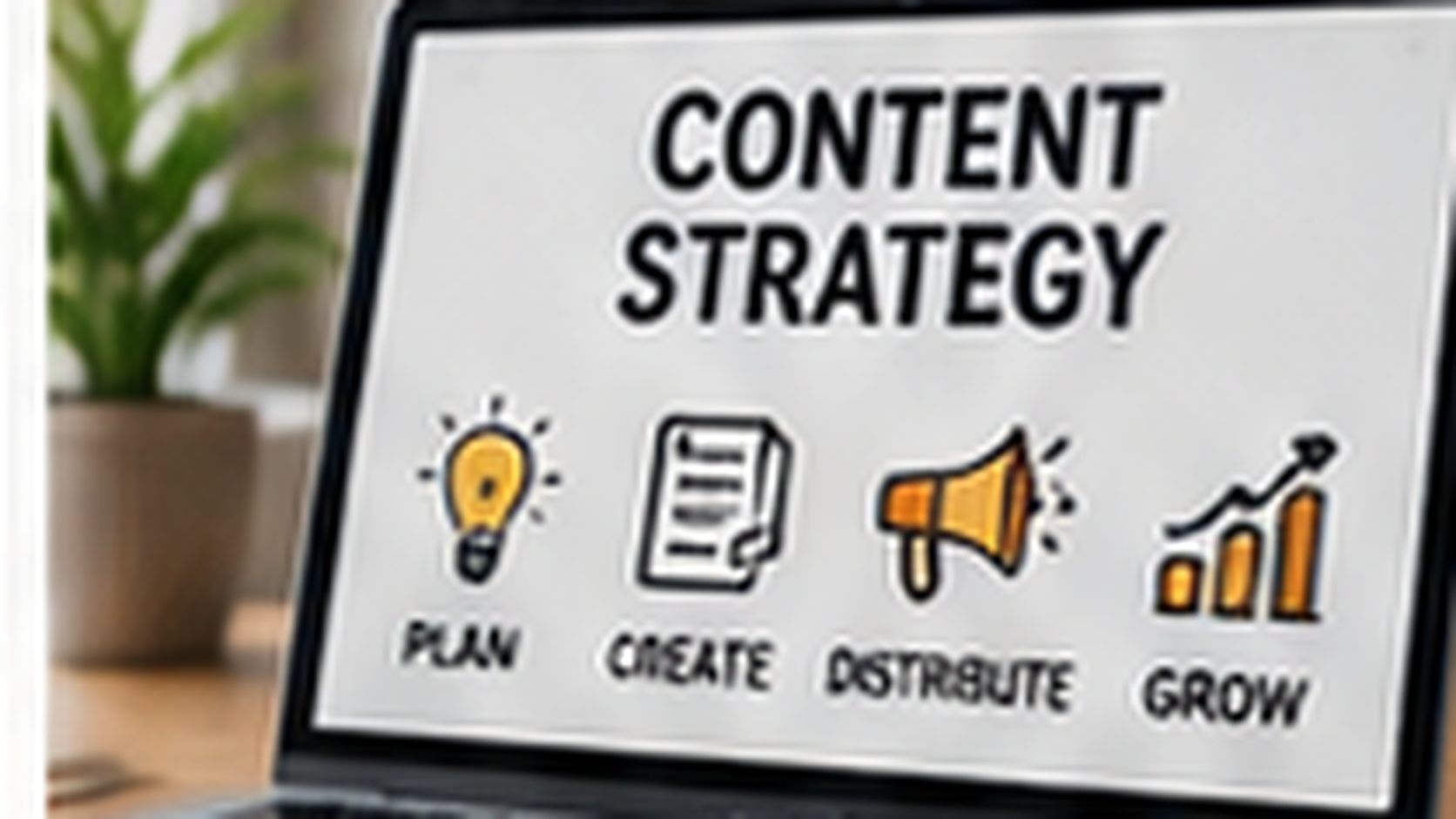
Content strategist planning audience topics, publishing workflow, distribution, and performance measurement at a laptop and desk.

A durable content strategy is not just a list of article ideas. It is a system for deciding what to publish, why the material matters, who it serves, how it will be distributed, and how success will be measured.

Google's current search guidance continues to favor helpful, reliable, people-first content, and its guidance for generative AI search points in the same direction: unique, useful material has more long-term value than generic pages that simply repeat what is already available elsewhere.

Start by defining the business goal and the reader problem. Then organize content into a few strong topic areas instead of producing isolated posts. Use search intent to make the page easy to find and easy to understand, but write for the person behind the query. Build a repeatable workflow for research, drafting, editing, metadata, internal links, images, publication, and distribution.

Most important, treat publication as the beginning of the content life cycle. Strong pages should be distributed, measured, connected to related material, and updated when facts or examples change. A lasting strategy does not depend on publishing more and more. It depends on building a useful library that compounds in value over time.

A good strategy also decides what not to publish. Chasing every trend can dilute the site's focus and consume time that should go toward updating strong evergreen pages. Give priority to topics that match the audience, support the brand, and can be connected to a larger body of useful material. Consistency of purpose is one of the reasons a content library becomes more valuable with age.

Read the Full Article →

Tech & AI

Artificial Intelligence · Software · Security · Emerging Tech

AI Tools for Personal Productivity

AI can reduce routine work, organize information, summarize meetings, draft first versions, and automate reminders, but the best productivity gains come from choosing a few tools that fit a clear workflow.

Professional using an AI productivity dashboard on a laptop with task, calendar, note, and planning tools in a modern workspace.

AI productivity tools are useful when they remove a specific kind of friction. The best question is not “Which AI app should I use?” It is “Where am I losing time every week?” Inbox overload, meeting notes, research, planning, repetitive writing, scattered information, and recurring reminders are all practical places to start.

General assistants such as ChatGPT, Microsoft Copilot, and Google Gemini can help with planning, summarization, drafting, and research. Workspace tools such as Notion AI can work directly with project notes and databases. Meeting assistants such as Otter can turn conversations into searchable transcripts, summaries, and action items.

The strongest gains usually come from using fewer tools with clearer jobs. Choose one frequent problem, test one tool for a couple of weeks, and measure whether it actually saves time. If it simply creates another inbox, subscription, or place to organize, it may be adding work rather than removing it.

AI output still needs verification, especially for facts, calculations, money, health, legal matters, and sensitive communications. The goal is not to automate everything. It is to reduce low-value repetition so more attention can go to decisions and work that still requires human judgment.

Privacy and verification belong in the productivity equation too. Before connecting an AI tool to email, files, meetings, or customer information, check what it can access and how that data is handled. Then build review points into important work. Saving ten minutes is not a productivity gain if an unchecked summary, calculation, or message creates an hour of cleanup later.

Read the Full Article →

Health & Wellness

Fitness · Nutrition · Healthy Living · Wellness

Creating a Sustainable Workout Routine

A sustainable workout routine is built around consistency, realistic progression, enjoyable activity, strength, recovery, and a schedule that fits ordinary life rather than an ideal week.

Workout shoes, water bottle, exercise mat, light weights, and a simple weekly exercise plan arranged in a bright home fitness space.

A sustainable workout routine is not the hardest plan you can complete when motivation is high. It is the plan you can keep doing through ordinary workdays, family responsibilities, weather changes, travel, and the occasional bad week.

Current CDC guidance gives adults a useful target: at least 150 minutes of moderate-intensity aerobic activity each week, or 75 minutes of vigorous activity, plus muscle-strengthening work on at least two days. The weekly total can be broken into smaller sessions, and some activity is better than none.

Start below your maximum. Choose activities you actually enjoy or at least do not dread. Put the sessions on the calendar and create a shorter fallback workout for busy days. Include strength work, not only cardio, and build gradually by adding a little time, resistance, distance, or repetitions rather than trying to make every session harder.

Most important, track consistency before intensity. Missing one workout is normal. The habit is protected when you return quickly instead of treating a missed day as a failed program. A routine that fits your real life and happens most weeks will usually do more for long-term health than an extreme plan that disappears after a month.

Recovery is part of sustainability. Sleep, hydration, nutrition, and rest days help the body adapt to training. If a plan leaves you constantly exhausted, unusually sore, or dreading every session, the answer may be to reduce volume or intensity rather than quit altogether. The strongest routine is challenging enough to create progress but manageable enough to repeat.

Read the Full Article →

Education & E-Learning

Learning · Career Skills · Courses · Educational Technology

Getting Started With E-Learning

E-learning becomes easier when you choose a clear goal, verify the course and provider, understand the technology requirements, schedule study time, and use active learning instead of passive watching.

Adult learner beginning an online course on a laptop with books, notebook, headphones, and a simple learning plan in a home study space.

E-learning makes it possible to build new skills without being in a traditional classroom, but the flexibility can make it easy to drift. A strong start begins with one clear outcome. Decide what you want to be able to do when the course is finished, then choose a program that actually teaches and measures that skill.

Compare the course format, instructor, syllabus, expected time commitment, technology requirements, refund policy, and the real value of any certificate before paying. Self-paced courses offer flexibility, while instructor-led and cohort programs can provide more structure and accountability.

Once enrolled, put study time on the calendar. Keep notes, downloads, assignments, due dates, and project files in one place. Most importantly, use active learning. Watching videos is not enough. Pause, explain ideas in your own words, solve problems without the example in front of you, practice the skill, and build something that proves what you learned.

Your first online course does not need to be a major credential. A short, well-chosen program can teach you how you learn online and help you build confidence. The goal is not to collect courses. It is to finish useful learning and turn it into ability you can apply.

Online learners also need to protect their attention. Close unrelated tabs, silence notifications, and decide what you intend to finish before the session starts. A focused 30-minute block can be more productive than two distracted hours. At the end, write down the next step so that returning to the course is easy instead of requiring you to rediscover where you left off.

Read the Full Article →

Get MTDLN Weekly

Five practical articles every week covering money, marketing, technology, wellness, and learning.