
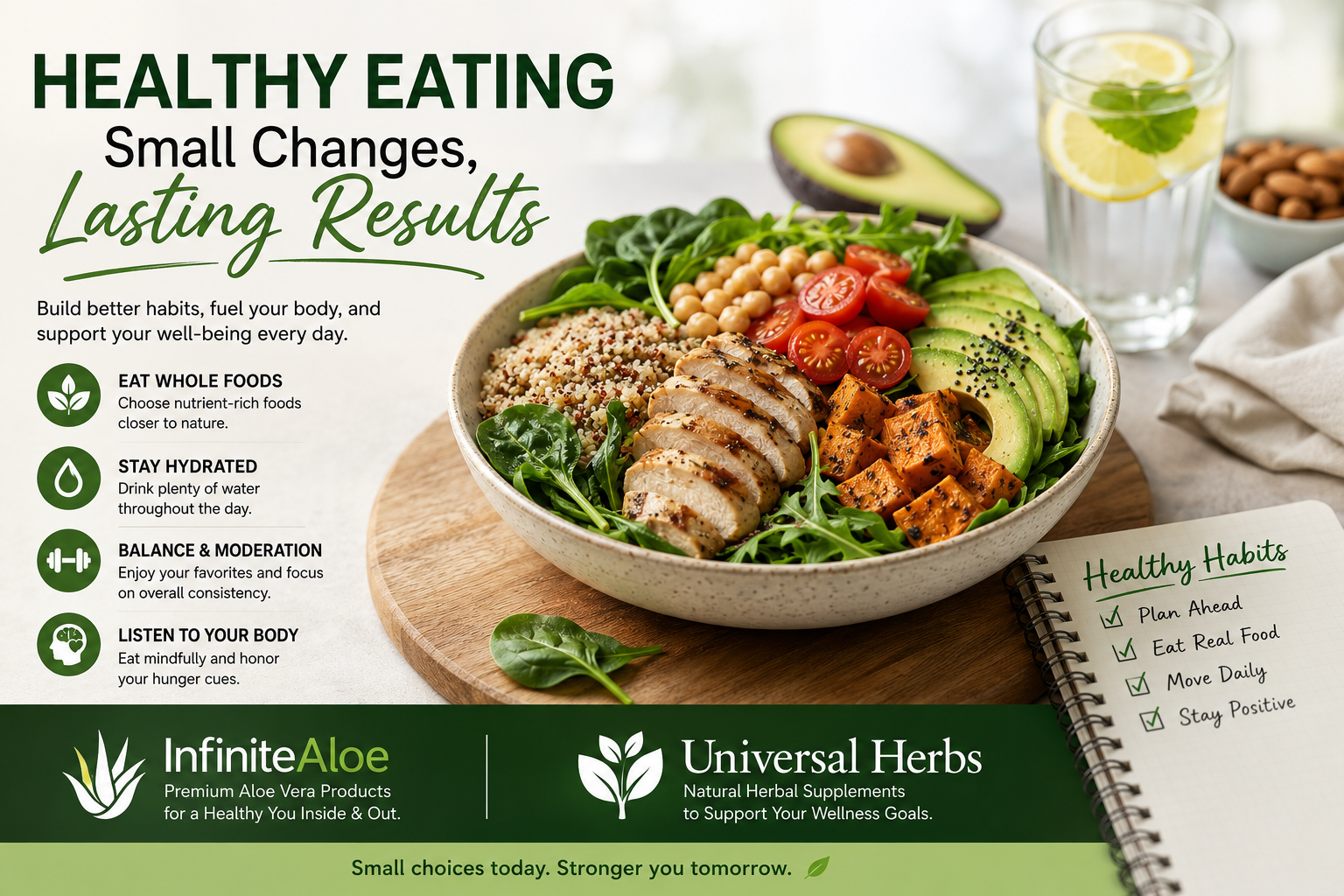
Starting a clean eating journey can seem like a daunting task, especially if you’re used to a diet filled with processed foods, sugary snacks, and fast food options. However, eating clean doesn’t have to feel like an insurmountable challenge. With a little bit of planning, patience, and consistency, you can transition to a clean-eating lifestyle without feeling overwhelmed. In this guide, we’ll walk you through practical tips and strategies to help you ease into clean eating, making the process both manageable and enjoyable.
1. Understand What Clean Eating Is
Before diving into the practical aspects, it’s important to have a clear understanding of what clean eating actually means. Clean eating focuses on consuming whole, unprocessed foods in their natural state as much as possible. This includes:
- Fruits and vegetables: Fresh, seasonal, and ideally organic.
- Whole grains: Brown rice, quinoa, oats, and whole wheat products.
- Lean proteins: Grass-fed meat, free-range poultry, wild-caught fish, eggs, and plant-based proteins like beans and legumes.
- Healthy fats: Avocados, nuts, seeds, and oils like olive oil and coconut oil.
- Minimizing or eliminating: Processed foods, refined sugars, trans fats, and excessive sodium.
In essence, clean eating means choosing foods that are as close to their natural form as possible while avoiding foods that are heavily processed or laden with artificial ingredients and preservatives.
2. Start Slowly: Small Changes Add Up
One of the biggest mistakes people make when trying to eat clean is trying to change everything at once. This can be overwhelming and often leads to burnout. Instead, focus on making small, gradual changes. For example:
- Replace one processed food with a whole food: If you typically eat a packaged granola bar for breakfast, try swapping it out with a smoothie made from fresh fruits, vegetables, and unsweetened almond milk.
- Increase your vegetable intake: Aim to add one extra serving of vegetables to your meals each day. This could be as simple as adding spinach to a smoothie or making a side of roasted broccoli with dinner.
- Swap refined grains for whole grains: Switch from white rice to brown rice or quinoa. Whole grains are richer in fiber and nutrients, keeping you fuller for longer.
By taking it slow and making incremental changes, you’re setting yourself up for long-term success without feeling overwhelmed.
3. Plan Your Meals and Snacks Ahead of Time
Meal planning is one of the most effective strategies for eating clean without stress. Planning ahead allows you to control what you’re eating and ensures you’re not left scrambling for unhealthy food options when hunger strikes. Here’s how to get started:
- Create a weekly meal plan: Choose recipes that align with clean eating principles. Focus on dishes that are easy to prepare and full of whole foods. Aim to plan three main meals per day, plus healthy snacks.
- Prep your meals in advance: Spend a couple of hours on the weekend chopping vegetables, cooking grains, or preparing snacks so you’re ready for the week ahead. This will help you avoid the temptation to reach for processed options when you’re short on time.
- Keep healthy snacks on hand: Stock up on clean snacks like nuts, seeds, fruit, and yogurt, so you always have something nutritious to munch on. Having these items readily available helps prevent the temptation to grab junk food.
Meal planning might seem time-consuming at first, but once you get into the rhythm, it’ll save you time, energy, and stress throughout the week.
4. Focus on Whole, Nutrient-Dense Foods
Clean eating isn’t about restriction or dieting; it’s about nourishing your body with wholesome, nutrient-dense foods. When you fill your plate with these kinds of foods, you’ll naturally feel more satisfied and energized. Here are some tips for incorporating more nutrient-dense foods into your meals:
- Fill half your plate with vegetables: Vegetables are packed with fiber, vitamins, and minerals. Aim to make vegetables the star of every meal, whether they’re roasted, sautéed, steamed, or eaten raw.
- Choose a variety of colorful foods: The more colorful your plate, the more diverse your nutrient intake. Incorporate a range of vegetables, fruits, and whole grains to ensure you’re getting a wide spectrum of vitamins and antioxidants.
- Include a protein source at every meal: Protein is essential for muscle repair, immune function, and keeping you full. Include a healthy protein source like chicken, turkey, tofu, fish, or beans with each meal.
By focusing on whole foods, you’ll naturally create meals that are satisfying, delicious, and full of the nutrients your body craves.
5. Learn How to Read Labels
If you’re buying packaged foods, it’s crucial to know how to read labels so you can make informed choices. Start by focusing on the following:
- Ingredients list: The shorter the list, the better. Ideally, the ingredients should be foods you recognize. If the list contains words you can’t pronounce or seems like a science experiment, it’s probably best to put it back on the shelf.
- Added sugars: Many processed foods are loaded with hidden sugars. Look for products with little or no added sugars. Ingredients like cane sugar, corn syrup, and high-fructose corn syrup should be avoided.
- Nutritional content: Pay attention to the amounts of fat, sodium, and carbohydrates in packaged foods. Opt for items with healthy fats (like olive oil or avocado) and minimal sodium.
Understanding food labels helps you avoid unhealthy additives, preservatives, and other hidden ingredients that may be counterproductive to clean eating.
6. Cook More at Home
Cooking your own meals is one of the best ways to take control of what you’re eating. When you prepare food at home, you can ensure that it’s made from fresh, whole ingredients, and you can avoid the excess sugars, unhealthy fats, and sodium that are often found in restaurant meals and takeout.
- Start with simple recipes: You don’t need to become a gourmet chef to eat clean. Start with simple, quick recipes that require minimal ingredients and cooking skills. For example, grilled chicken with roasted vegetables, or a salad with mixed greens, avocado, and a lean protein source.
- Invest in kitchen tools: A few key kitchen tools can make cooking easier and more enjoyable. A good chef’s knife, cutting board, and a few non-stick pans are great places to start.
- Batch cook: Prepare larger portions of clean meals and store them in the fridge or freezer for future use. This way, you always have a healthy meal ready when you’re pressed for time.
Cooking at home doesn’t have to be complicated or time-consuming. Start simple, and gradually build your repertoire of easy, clean recipes.
7. Stay Hydrated
Staying hydrated is a crucial aspect of clean eating. Water plays a role in digestion, nutrient absorption, and overall bodily functions. Aim to drink at least eight glasses of water a day, and more if you’re active or living in a hot climate. You can also include herbal teas or water with a splash of lemon for variety.
Hydration not only helps with your physical health but can also keep your cravings in check. Sometimes, thirst can be mistaken for hunger, leading you to eat when you don’t need to.
8. Give Yourself Grace
Making the transition to clean eating takes time, and there may be moments when you slip up or feel like you’re not doing enough. It’s important to give yourself grace during this process. Clean eating is not about perfection; it’s about making healthier choices over time.
- Don’t aim for all-or-nothing: It’s okay to indulge in a treat now and then. The goal is to make cleaner choices most of the time. A single indulgence won’t derail your progress.
- Focus on progress, not perfection: Each time you make a healthy choice, you’re moving closer to your goal. Celebrate small victories, whether it’s choosing a salad over fries or cooking a homemade meal instead of ordering takeout.
Remember, the journey to eating clean is personal, and you should feel empowered to take it at your own pace.
9. Get Support from Like-Minded People
Having a support system can make the transition to clean eating much easier. Surround yourself with people who understand your goals and can offer encouragement and motivation along the way.
- Join a clean eating community: Many online groups, forums, and social media pages are dedicated to clean eating. These can be great places to share recipes, get advice, and find motivation.
- Ask a friend to join you: If you have a friend or family member who’s also interested in eating cleaner, team up with them. You can meal prep together, share healthy recipes, and hold each other accountable.
Having support can make the journey more enjoyable and less overwhelming.
Starting to eat clean is a process, not an overnight transformation. By taking small, gradual steps, planning your meals, and focusing on whole, nutrient-dense foods, you can make clean eating a sustainable part of your lifestyle. Give yourself grace along the way and remember that progress is more important than perfection. With time, eating clean will become second nature, and you’ll feel healthier, more energized, and proud of the choices you’ve made.