
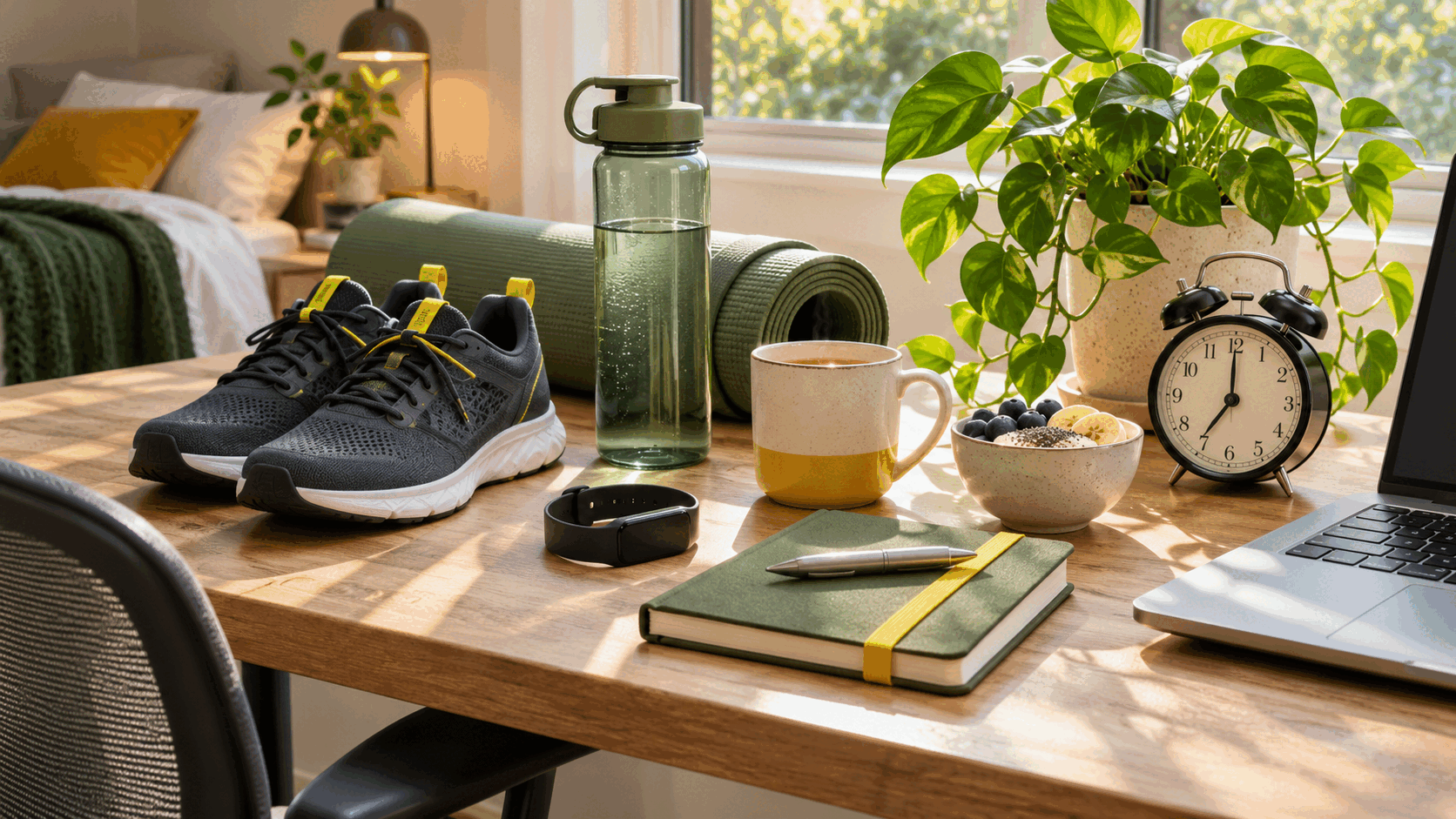
Fitness trackers can make activity patterns visible, but most consumer metrics are estimates rather than diagnoses. The best use is to support consistent habits and informed questions, not to let one score define your health.
Know What the Device Actually Measures
A wearable may directly sense motion, light reflected from the skin, location, temperature, or other signals. Software then converts those signals into estimates. Steps may come from an accelerometer, distance may combine movement and GPS, and wrist heart rate often uses optical sensing. Sleep stages and recovery scores are usually inferred from several signals rather than directly observed. Look for the feature description, supported activities, fit instructions, and intended use before comparing numbers.
Fit and placement affect many readings. Wear the device where the manufacturer specifies, keep sensors reasonably clean, and select the correct wrist or activity setting. Activities involving gripping, vibration, water, or irregular arm movement may be counted differently. When comparing a new device with an old one, expect different algorithms and establish a fresh baseline instead of forcing the totals to match.
Separate Wellness From Medical Use
The FDA explains that products marketed only for general wellness or non-medical purposes may not be medical devices. A feature intended to diagnose, treat, cure, mitigate, or prevent a disease enters a different regulatory context. The same watch can therefore include basic wellness features and separately reviewed medical features. Do not assume every displayed metric has the same validation or purpose. Read labels and regulatory information for the specific feature.
Look for the exact wording attached to a feature. “Wellness,” “trend,” “notification,” and “screening” do not mean the same thing as a diagnosis. If the manufacturer provides regulatory information for a medical feature, read which device models, regions, users, and conditions it covers. Do not extend that authorization to unrelated scores shown in the same app.
Use Trends Instead of Single Scores
One unusual value can reflect loose fit, cold skin, motion, a missed night, a depleted battery, or an algorithmic error. Look for repeated patterns under comparable conditions. Weekly activity totals, consistent walking times, resting patterns, or adherence to a training plan often provide more useful context than chasing a perfect daily score. If a metric drives anxiety or compulsive checking, hide it and return to a simpler behavior goal.
Choose a review interval that discourages overreaction. Weekly totals can reveal whether walking or workouts are becoming more consistent, while monthly notes may show how travel, weather, or workload affect the pattern. Mark device changes, illness, and missed wear time. Those annotations make trends easier to interpret and prevent a data gap from looking like a health change.
Connect Tracking to a Real Plan
The CDC recommends that adults move more and sit less and describes a weekly goal of at least 150 minutes of moderate-intensity aerobic activity plus muscle-strengthening work on two days. Activity can be spread across the week and broken into smaller chunks. A tracker can help record the plan, but it does not choose an appropriate intensity, account for every disability, or replace professional guidance after injury or illness.
Translate a metric into a behavior. If active minutes are low, schedule two short walks. If strength sessions are missing, reserve two repeatable time blocks. If bedtime varies, use a consistent wind-down cue. Avoid chasing every dashboard tile at once. One or two measures linked to a concrete action are more likely to improve a routine than a complicated scorecard.
Protect Personal Data
Wearable data can reveal routines, location, sleep schedules, and health-related patterns. Review privacy settings, cloud synchronization, social sharing, connected apps, and account security. Turn off location or public leaderboards when they do not serve your goal. Use a strong unique password and multifactor authentication when available. Before selling or giving away a device, follow the manufacturer’s reset and data-deletion instructions.
Before enabling social features, decide whether competition motivates or discourages you. Public routes can reveal home, work, or habitual travel locations. Hide start and end points, restrict followers, or keep activities private. Review connected nutrition, insurance, workplace, and coaching apps separately because deleting a record from the wearable service may not remove copies already shared elsewhere.
Know When the Screen Is Not Enough
Do not dismiss symptoms because a wearable looks normal, and do not assume an abnormal consumer reading proves a condition. Recheck fit and instructions, note the time and circumstances, and seek appropriate care when symptoms or persistent concerns warrant it. For urgent symptoms, use emergency services rather than waiting for a device to confirm a problem. A tracker is most useful as a record and prompt for action, not as the final authority.
Bring useful context to a clinical conversation: the device and feature name, how it was worn, the dates and circumstances, repeated readings, symptoms, and any manual check. Avoid presenting a screenshot as a confirmed diagnosis. A clinician can decide whether the pattern needs a validated measurement, examination, or no further action.
Fitness Tracking Tools Explained in Practice
A beginner might track three walking sessions per week rather than a daily step target. Record duration, how the effort felt, and any pain or unusual symptoms. After two weeks, decide whether the schedule is repeatable before adding time. This produces information about the routine itself, not just a larger number on days when the device happened to be worn.
A recreational athlete could compare resting patterns and perceived recovery with training load, sleep opportunity, travel, and illness. Treat a readiness score as one signal, not a command to train or rest. If performance, mood, or symptoms change persistently, use human judgment and qualified guidance instead of searching for a score that confirms the preferred plan.
Someone focused on sleep can compare bedtime and wake-time consistency without relying on estimated sleep stages. Note whether the device was charged and worn correctly. If the tracker itself creates bedtime anxiety, switch off the sleep score for a week and keep a simple diary. A tool should support rest rather than turn sleep into a nightly examination.
Review and Adjust
Review a tracker after enough ordinary days to see a pattern, not immediately after one unusual reading. Confirm wear time, fit, activity mode, charging gaps, travel, and illness. Compare the metric with the behavior it is supposed to support. If active minutes increased but the routine caused pain or exhaustion, the number does not prove the plan is appropriate. If a simple walking plan improved consistency without changing every dashboard score, the tool may still be serving its purpose.
Revisit the device when software changes, a new feature appears, or your health and goals change. Read updated intended-use and privacy information. Remove connected apps that no longer help, export records you need, and delete old data where appropriate. Persistent unexpected readings should be handled according to feature instructions and symptoms, not online comparison with strangers. The review should end with one clear decision: keep the metric, change the behavior, ask for guidance, or stop tracking it.
Putting the Guidance Together
A tracker earns its place when it helps you notice patterns and follow a realistic plan. Keep the numbers in context, protect the data, and understand whether a feature is intended for general wellness or medical use. Consistent habits and appropriate professional care matter more than maintaining a perfect ring, streak, or recovery score.
Frequently Asked Questions
Are step counts exact?
No. They are estimates generated from sensor data and an algorithm. Consistency on the same device may be more useful than comparing totals across different devices.
Can a fitness tracker diagnose a condition?
A general-wellness tracker should not be treated as a diagnostic tool. Some specific features may have a regulated medical purpose, so check the feature’s intended-use information.
What is the best metric for a beginner?
Choose one measure tied to a realistic behavior, such as active minutes, walking sessions, or completed workouts. A simple measure is easier to use consistently.
Sources and Further Reading
Related MTDLN reads: Walking for Better Overall Health · Creating a Sustainable Workout Routine · Recovering Properly After Exercise