
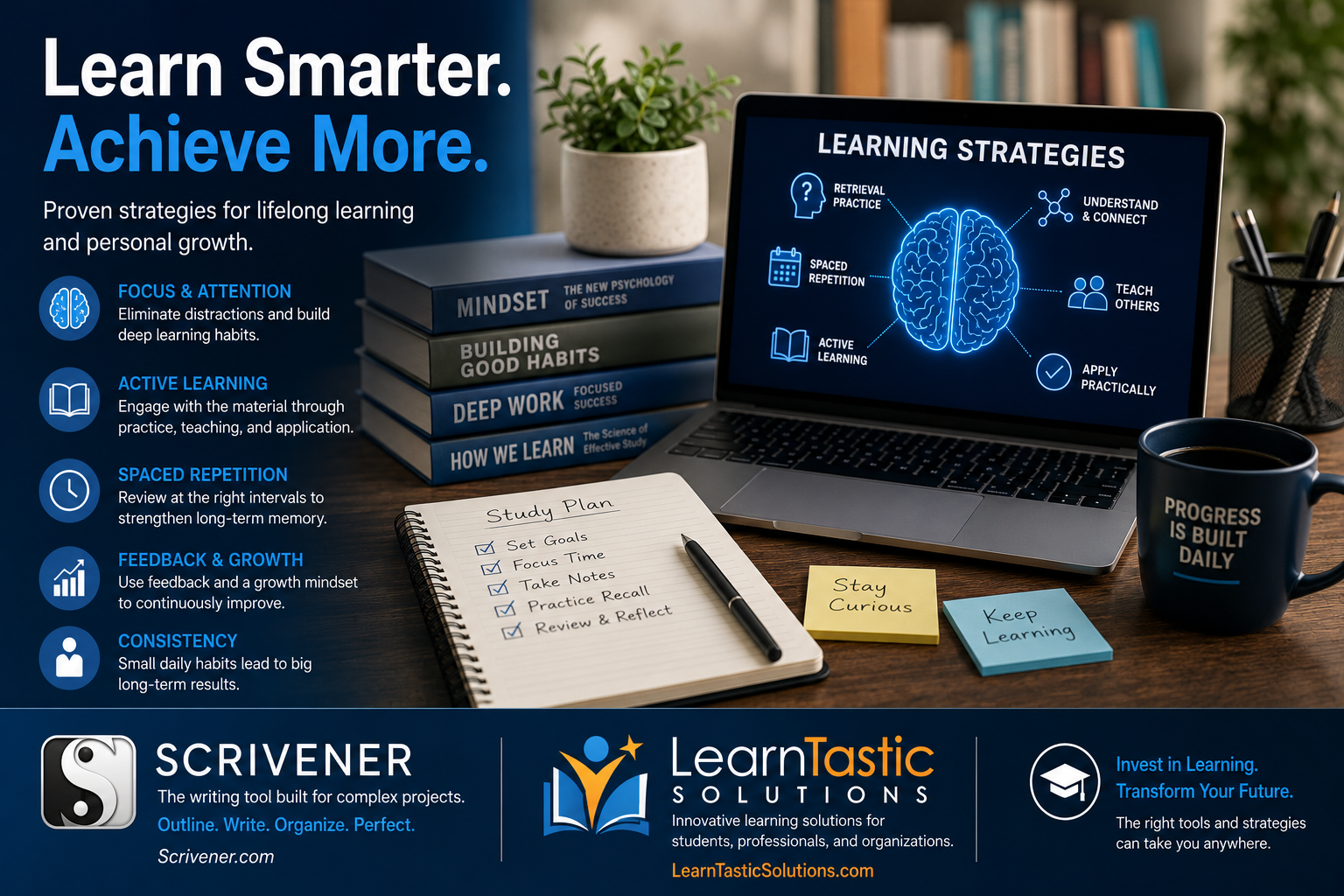
Picture this: you're sitting at your kitchen table, laptop open, coffee steaming, ready to tackle your online course. The instructor’s video starts, the material is solid, but a few minutes in your phone pings, the neighbor’s dog starts barking, and somehow you’re three tabs deep into something entirely unrelated.
Welcome to the world of e-learning where opportunity and distraction often walk hand in hand.
Online education has exploded in recent years, transforming how we learn everything from algebra to architecture. It offers flexibility, accessibility, and often affordability. But let's be honest: it's not all smooth sailing.
E-learning comes with its own unique set of challenges, both for students and instructors. But here’s the good news—every challenge has a solution. So whether you're a student trying to stay focused or an educator striving to keep your learners engaged, this guide is packed with actionable advice to help you navigate the bumps in the digital learning road.
The Rise of E-Learning: A Quick Snapshot
Before we jump into the hurdles, it’s worth appreciating the incredible growth of e-learning. What started as an option has become a norm.
According to Global Market Insights, the e-learning market surpassed $315 billion in 2021 and continues to grow rapidly. It’s used in schools, universities, corporate training, and even hobby communities. You can learn calculus, how to code, or even master the ukulele all without stepping foot into a classroom.
Yet with all this accessibility comes a wave of new responsibilities and expectations and those aren’t always easy to meet.
The Most Common Challenges of E-Learning (and How to Overcome Them)
Let’s break it down into the most persistent, widespread issues learners and educators face, followed by strategies to conquer them.
1. Lack of Motivation and Self-Discipline
The Challenge:
In a traditional classroom, you have a teacher watching, peers working beside you, and a structure that helps keep you accountable. E-learning, on the other hand, demands a high level of self-discipline. It’s all too easy to say, “I’ll do it later,” and then forget entirely.
The Fix:
- Set a Schedule: Treat your course like a real class. Designate consistent days and times for study.
- Use a Planner or Digital Calendar: Break down assignments and mark deadlines.
- Create Rituals: Start with a cup of tea, a five-minute meditation, or lighting a candle anything to signal “study time.”
- Break It Down: Use the Pomodoro technique (25 minutes on, 5 minutes off) to maintain focus in digestible chunks.
Bonus Tip: Celebrate small wins. Finished a module? Reward yourself with something you enjoy a short walk, a snack, or an episode of your favorite show.
2. Technical Issues and Digital Literacy Gaps
The Challenge:
Let’s face it—nothing kills the learning vibe like a frozen Zoom call, glitchy video, or forgotten password. For many learners, especially those new to digital tools, tech hiccups can feel like hitting a wall.
The Fix:
- Start with a Tech Checklist: Internet connection, browser updates, plug-ins get everything in working order before class begins.
- Practice Platform Navigation: Spend time exploring the course platform, clicking every tab, and testing features.
- Ask for Help Early: Don’t suffer in silence. Contact tech support or ask peers for guidance.
- Build Digital Confidence: Take short tutorials or YouTube lessons on the basics how to use Google Docs, Zoom, or LMS platforms like Moodle or Blackboard.
Instructors’ Tip: Offer a “tech orientation week” to get students comfortable before diving into content.
3. Isolation and Lack of Social Interaction
The Challenge:
One of the biggest complaints about e-learning is the feeling of disconnection. No chatting before class. No partner projects or shared lunches. It can feel like you’re learning in a vacuum.
The Fix:
- Join Discussion Forums: Most platforms offer some kind of social space use it!
- Attend Live Sessions: If available, show up to live Zoom classes or virtual meetups.
- Form Study Groups: Reach out to classmates and organize a virtual study circle.
- Engage in Comments: Commenting on lectures or peer assignments can spark real conversations.
Instructors’ Tip: Use breakout rooms, icebreaker games, and video introductions to create community.
4. Difficulty Staying Focused in a Distracting Environment
The Challenge:
Home is full of temptations: social media, pets, kids, chores, and snacks. Without the formal structure of a classroom, it’s easy for attention to wander.
The Fix:
- Design a Distraction-Free Zone: Choose a specific space that’s tidy, quiet, and used only for studying if possible.
- Use Noise-Canceling Headphones: Drown out background noise and stay in the zone.
- Turn Off Notifications: Mute your phone or use “focus” mode apps like Forest or Freedom.
- Use Visual Cues: A “do not disturb” sign, study timer, or ambient lighting can help signal focus time.
Bonus Tip: Don’t study in bed. Your brain associates bed with rest. Choose a desk or table instead.
5. Lack of Feedback or Slow Communication
The Challenge:
In a physical classroom, you can raise your hand or speak with your instructor after class. Online, communication often feels delayed or unclear, and feedback might come too late to be useful.
The Fix:
- Set Communication Expectations: Know when and how your instructor is available email, office hours, messaging platforms.
- Ask for Feedback Promptly: Don’t wait. If you’re unsure about an assignment, ask early.
- Use Rubrics: Refer to grading rubrics and assignment guidelines to self-check before submission.
- Stay Active in Forums: Instructors often drop insights and extra tips in discussion threads.
Instructors’ Tip: Use audio or video feedback it feels more personal and engaging.
6. Overwhelming Course Load or Poor Time Management
The Challenge:
Without a set classroom time, it’s easy to underestimate how much time a course really demands. That leads to falling behind, stress, and even dropping out.
The Fix:
- Estimate Time Commitments: Multiply the weekly “suggested” time by 1.5. Be realistic.
- Prioritize Tasks: Not everything needs the same energy. Use the Eisenhower Matrix or a to-do list to manage workload.
- Start Early: Avoid the dreaded deadline crunch by starting assignments early and reviewing materials in advance.
Bonus Tip: Use time-blocking. Allocate fixed times each week to specific tasks and stick to it.
7. Poorly Designed Courses or Unengaging Content
The Challenge:
Let’s be honest some online courses are just dull. Endless text, poor video quality, and no interaction make it hard to stay engaged or absorb the material.
The Fix:
- Find the Right Fit: Not all courses are created equal. Look for high ratings, interactive elements, and good reviews before enrolling.
- Mix Up Your Learning Style: Watch videos, listen to audio lectures, take handwritten notes, and discuss content with others.
- Reach Out to Instructors: Provide respectful feedback on what’s working and what’s not. They may offer additional resources.
Instructors’ Tip: Use multimedia (images, polls, animations), create short videos instead of hour-long lectures, and incorporate gamified elements.
Bonus: How Educators Can Make E-Learning Thrive
If you’re on the teaching side, you’ve probably noticed that online instruction requires more planning, more tech savvy, and more energy to keep learners engaged. Here are some ways to meet the moment:
- Keep Videos Short and Focused (10–15 minutes max)
- Use Interactive Tools like Kahoot, Padlet, or Quizizz
- Create Regular Check-Ins Email, Video, or Text
- Include Real-Life Examples and Storytelling
- Give Clear, Prompt Feedback
Remember: your enthusiasm is contagious. If you’re engaged, your students are more likely to follow suit.
E-Learning Isn’t Easy, But It’s Empowering
The shift to e-learning hasn’t just changed how we learn it’s reshaped what we expect from education. It asks more of us: more responsibility, more focus, and more tech skills. But it also gives us more more access, more flexibility, and more opportunities to learn at our own pace.
The key is knowing that challenges are part of the package, not proof of failure. Every distraction, every tech glitch, every tough moment is something you can learn to overcome. With the right strategies, mindset, and support, e-learning can be just as powerful and perhaps even more fulfilling than the traditional classroom.
So, the next time you find yourself drifting during a lesson or dreading a long online assignment, take a deep breath and remember you’ve got this. Learning is a journey, and you’re still on the path.